

How to Get Started in IGP Dog Sport in the UK
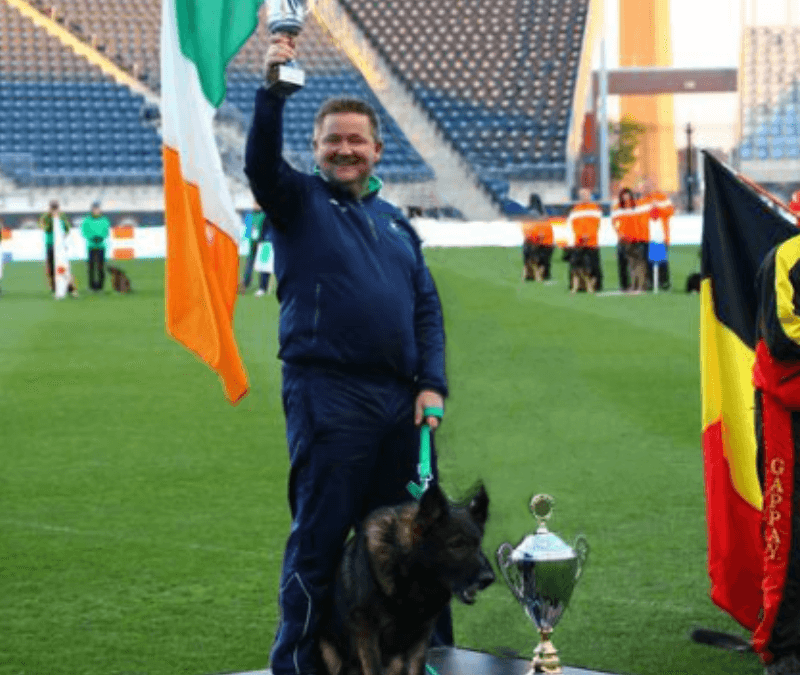
IGP — formerly known as IPO, and before that Schutzhund — is the triathlon of dog sports: tracking, obedience and protection, scored out of a combined 300 points. I have represented Ireland at the WUSV World Championship ten times, including a third-place individual finish in 2013, and I still believe it is the most complete test of dog and handler in existence. Here is what getting started in the UK actually looks like.
The three phases in brief
Phase A is tracking: your dog follows a human scent trail laid across a field, indicating dropped articles along the way. Phase B is obedience: heelwork, retrieves, send-aways and positions performed with precision and visible enthusiasm. Phase C is protection: the dog locates, holds and where necessary grips a padded helper under strict control — an exercise in obedience under the highest arousal, not aggression. We cover the sport’s structure in more depth in What Is IGP?
What kind of dog do you need?
The sport was built around the German Shepherd, and the WUSV World Championship remains breed-specific, but IGP itself is open to any capable dog — Malinois, Dobermanns, Rottweilers, Boxers and working-line crosses all compete. What matters is temperament: a stable, confident dog with food or toy drive and sound nerves. A reputable working-line breeder will know what IGP requires. If you already have a dog, an experienced trainer can assess its suitability honestly before you invest years in it.
The time commitment is real
IGP is not a casual hobby. Realistic progress requires training most days — tracking in the mornings, obedience sessions through the week, protection work with a qualified helper at a club or with a coach. Expect ten or more hours weekly if you want to title a dog. The reward is a relationship with your dog that very few pet owners ever experience.
Finding clubs and competitions in the UK
In Britain, the GSD League Working Branch runs trials, maintains judge and tracklayer lists, and hosts national championships. The British Association of German Shepherd Dogs also has a network of regional clubs also run training days and trials. Visit before you commit: watch a club session, talk to members, and look at how their dogs work and live.
What it costs
Compared with many dog sports IGP is inexpensive to participate in — club membership, trial entries and basic equipment (tracking line, harness, tug rewards) are modest. The real investment is the dog itself, your time, and quality coaching. Poor early foundations cost far more to undo than they cost to build correctly.
Getting coaching that shortcuts years of mistakes
Most people who stall in IGP stall for the same reason: they trained alone, embedding errors that take years to fix. Structured coaching from someone who has competed at the top level compresses that learning curve dramatically. At Liberty K9 in Cheshire we coach IGP handlers at every level, from first foundations to championship preparation — including online coaching for handlers who cannot travel weekly. My own competition record, including scores and placements across nine World Championships, is documented on working-dog.com.
If you are serious about starting — or you have started and hit a wall — get in touch. There is no better sport for building a genuine working partnership with your dog.
About the Author
Paul Flanagan is head trainer at Liberty K9 and a 10-time WUSV IGP World Championship competitor — including 3rd place at the 2013 World Championship and selected for Team Ireland at the 2026 WUSV World Championship in Slovenia — with over 40 years of experience training dogs across sport, pet behaviour and working disciplines. He has successfully rehabilitated hundreds of dogs with serious aggression and behaviour problems. Learn more about the Liberty K9 team.
Related: IGP Training at Liberty K9 | What Is IGP?
You May Also Like…

When Your Dog Needs More Calories: How to Add Weight Without Adding Volume
There are moments in a dog’s life when the scales tell you something needs to change — and fast. Not...
What Is NePoPo Dog Training? The Method Explained
NePoPo® is a dog training system developed by Bart and Michael Bellon that has become one of the most influential...
Dog Aggression Specialist UK: How to Find the Right Help
If your dog has bitten someone, attacks other dogs, or guards food and space with real intent, you have probably...