

Dog Aggression
Training Cheshire
Specialist behaviour rehabilitation for reactive, aggressive and difficult dogs. All breeds. All bite histories. No case too complex.
One of the Few Trainers Who Will Take On the Hard Cases
Dog aggression is the most misunderstood and most poorly handled area of dog training. Most trainers won’t touch it. Many who do lack the experience to resolve it safely and permanently.
At Liberty K9 Training, aggression rehabilitation is one of our specialisms. With over 50 years of combined experience working with pet dogs, police dogs, and international competition dogs, we have the methodology and the track record to resolve aggression issues that other trainers have failed to fix — or refused to take on.
We work with dogs who have bitten other dogs. Dogs who have bitten people. Dogs with serious resource guarding. Reactive dogs who make every walk a nightmare. Whatever the history, we assess each dog individually and design a programme around them.
We draw clients from across the UK — Cheshire, Manchester, Birmingham, Liverpool, London and beyond — because this level of specialist experience is rare.
Paul Flanagan is a NePoPo® Gold-Level Instructor and 10-time WUSV IGP World Championship qualifier, including a 3rd place finish in 2013.
Is Your Dog a Candidate?
We specialise in the cases most trainers decline. If any of the following apply, we want to hear from you:
Your dog has bitten a person or another dog
Your dog guards food, possessions or space aggressively
Your dog has been written off by another trainer or behaviourist
Your dog is reactive on the lead and it's escalating
Your vet has recommended a specialist behaviour programme
You've been told the only option is medication or euthanasia
If you’re unsure whether your dog’s behaviour qualifies, call us. We’d rather you ask and find out than not ask at all.
Dogs with a bite history are accepted — an assessment is required first. We no longer offer personal protection dogs — also known as guard dogs — or training for them.
Understanding Your Dog's Aggression
No two aggressive dogs are the same. Before any training begins, we carry out a thorough assessment of your dog — their history, triggers, body language, and the specific contexts in which aggression occurs.
We need to understand what is driving the behaviour before we can resolve it. Aggression rooted in fear requires a different approach to dominance-based aggression, redirected aggression, or predatory behaviour. Getting this wrong doesn’t just fail — it can make things significantly worse.
Our assessment process is the foundation everything else is built on.
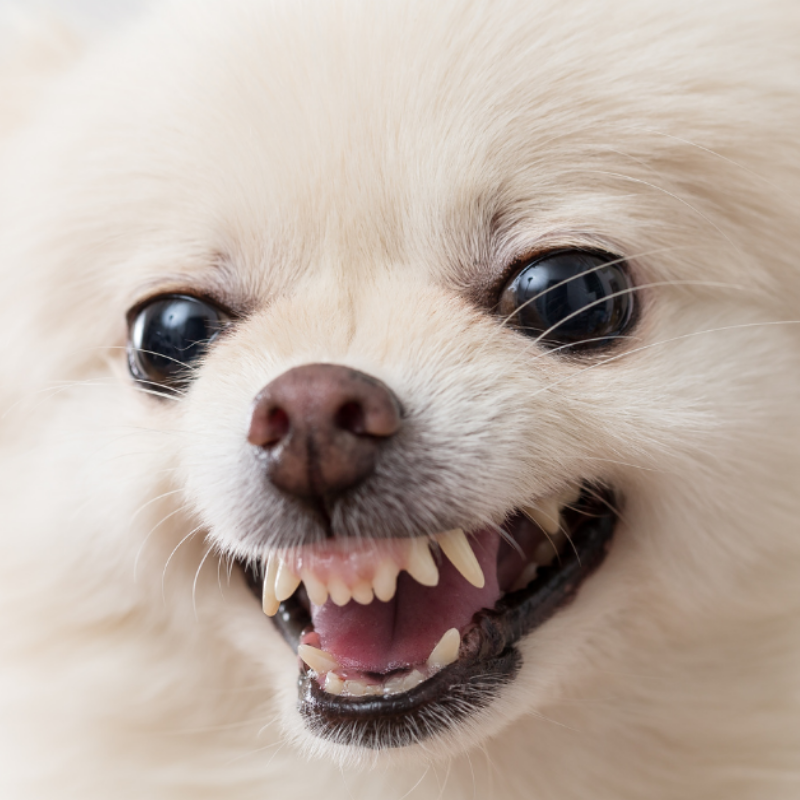
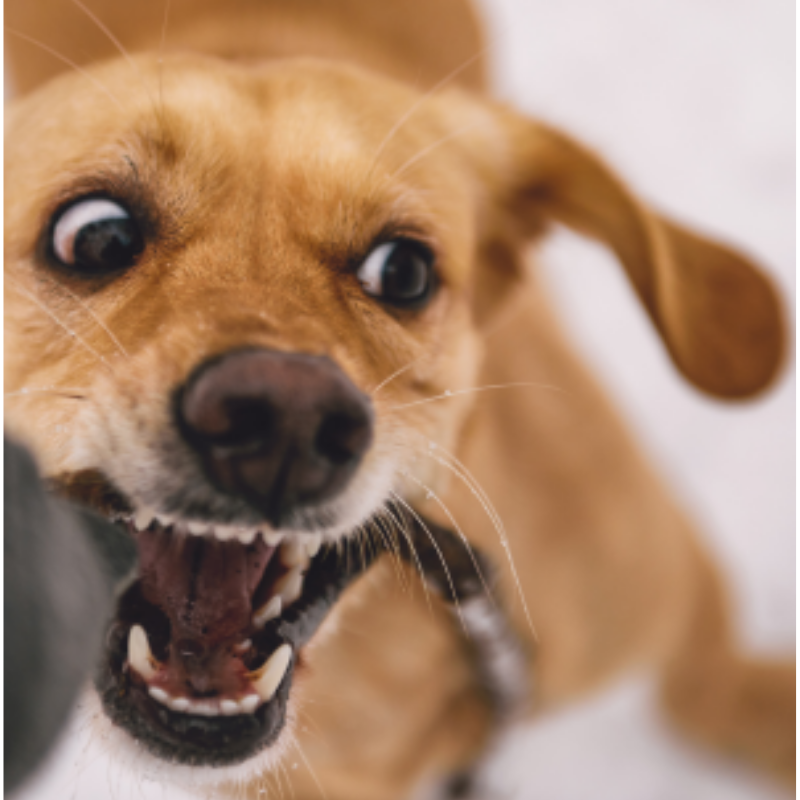
Our Approach to Aggression Rehabilitation
We do not use a one-size-fits-all method. Liberty K9 Training uses a structured, evidence-based approach that combines clear communication, boundary setting, and systematic desensitisation — adapted to your individual dog.
We work in real-world environments, not just controlled training scenarios, because that is where your dog needs to perform. Progress is measured against practical outcomes: calm behaviour on the lead, appropriate responses to triggers, and a dog you can trust.
For dogs with serious bite histories or complex cases, our residential programme places your dog with us full time, allowing intensive daily work that simply cannot be replicated in weekly sessions.
Residential Aggression Rehabilitation
Our residential dog aggression training programme is the most effective option for dogs with serious behaviour issues. Your dog lives with us, works with us every day, and receives the kind of consistent, intensive input that transforms behaviour at a fundamental level.
Programmes run from two to six weeks depending on the complexity of the case. Every programme is bespoke — designed around your dog’s specific history, triggers and temperament.
Dogs travel to us from across the UK for this programme. The results speak for themselves.
Price: From £3,000
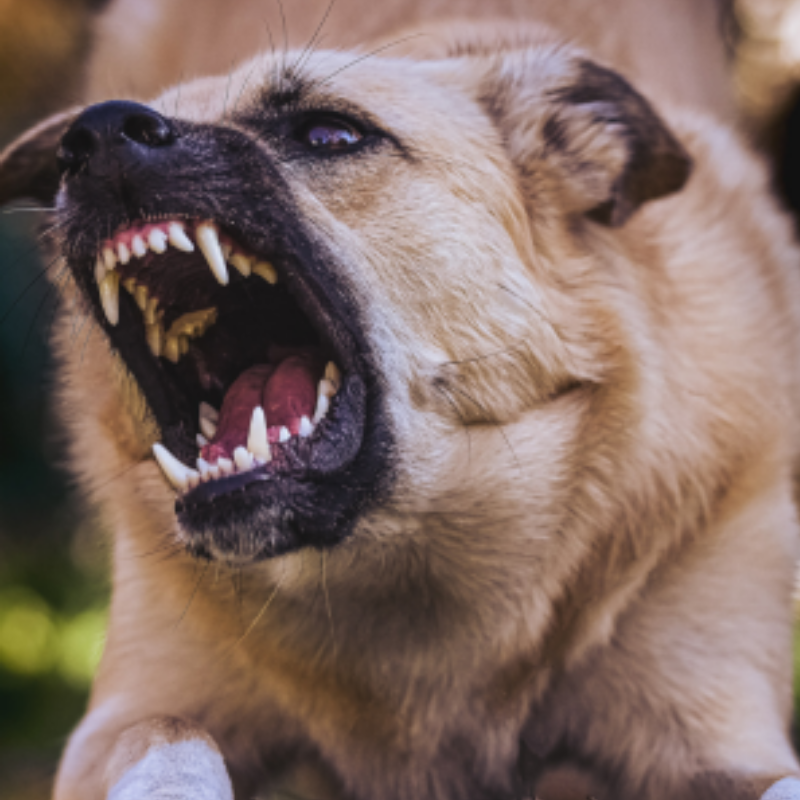
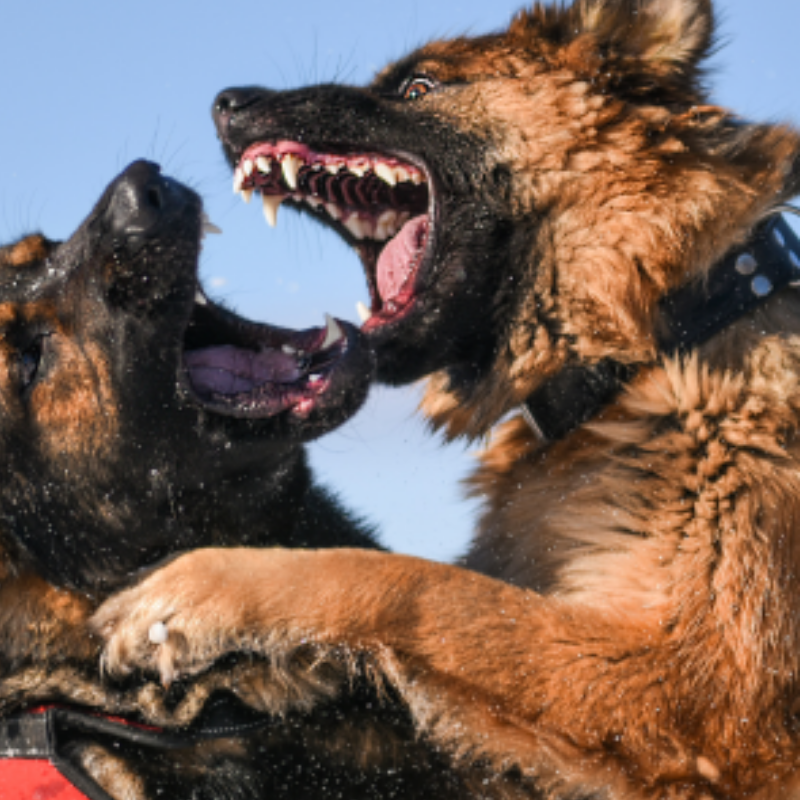
Life After Training — Your Role
Aggression rehabilitation does not end when your dog comes home. The work you do as an owner in the weeks and months following training is what determines whether results last.
We provide full handover training so you understand exactly how to manage and continue your dog’s development. We are available for follow-up support, and many clients return for top-up sessions as their dog encounters new environments and challenges.
We set you up to succeed — not just your dog.
The Types of Aggression We See
Aggression is a symptom, not a diagnosis. Two dogs showing identical behaviour can need opposite approaches, which is why a tailored plan from an expert behavioural trainer is necessary.
Fear Based Aggression
The most common form we see. The dog is not trying to dominate anything — it is trying to create distance from something it finds threatening. Punishing it usually makes things worse, because you add a second thing to be afraid of.
Handler Aggression
The dog directs the behaviour at its own owner or family, often around handling, grooming, being moved off furniture, or having something taken away. It is commonly linked to fear, resource guarding, redirection or predation rather than being a category of its own.
Dog-to-Dog Aggression
Ranges from lead reactivity that makes every walk miserable to dogs who have seriously injured another dog. The prognosis depends heavily on history, breed drive, and how long the behaviour has been rehearsed.
Resource Guarding
Food, toys, beds, doorways, or a particular person. Frequently dismissed as a small quirk until it escalates, and one of the behaviours most often misread by owners as the dog being possessive rather than anxious.
Aggression Towards People (Human Aggression)
Strangers, visitors, or specific groups such as children or men. This is the category where an honest assessment matters most, because the consequences of getting it wrong are the most serious.
Re-directed and Predatory Aggression
Two distinct patterns that are regularly misread as general aggression. Redirected aggression lands on whoever is nearest when the dog cannot reach the real trigger; predatory behaviour is not aggression at all in the usual sense, and needs a different plan again.
Can An Aggressive Dog Be Fixed?
Honestly: most can be improved significantly, many can be transformed, and a small number cannot be made safe.
After forty years of this work we can usually tell you a great deal from a conversation. Despite what most owners assume, aggression falls into a handful of recognisable types and patterns, and targeted questioning gets us most of the way to understanding a case before we ever meet the dog. That assessment is always subject to revision once your dog is with us and we can see the behaviour for ourselves.
What the outcome depends on is the type of aggression, how long it has been practised, the dog’s genetics and health, the environment it returns to, and how much the owner is prepared to change. That last one matters more than people expect. We turn cases down relatively often, and it is almost always because an owner has decided not to follow the advice rather than because the dog could not be helped.
We will tell you what we think is achievable, and we will tell you if we think the honest answer is no.
Aggression In Puppies And Young Dogs
Growling, snapping, guarding food or biting hard during play in a young dog is not something to wait out. Behaviour that is rehearsed becomes behaviour that is learned, and a problem that would take weeks to resolve at five months can take months at two years.
It is also frequently misread in both directions. Normal, boisterous puppy behaviour gets labelled aggression, while genuine early warning signs get dismissed as a phase. Both mistakes are costly.
If you are unsure which you are dealing with, ask. An early conversation costs you nothing and can change the entire trajectory of the dog.
Why Group Classes Don’t Work For Aggression
Group classes cannot resolve aggression. Not rarely — they are completely inappropriate for these dogs, and we say that without hesitation.
A class asks a dog that cannot cope with proximity to other dogs to spend an hour in a room full of them. At best nothing is learned, because the dog is over threshold from the moment it walks in. At worst it rehearses the exact behaviour you are trying to change, in front of an audience, and comes out worse than it went in.
Aggression work needs controlled exposure at a distance the dog can actually think at, adjusted session by session and handled by someone who can read what the dog is telling them. No group format can deliver that, which is why our aggression work is one-to-one or residential.
Get on the inside
it all starts here!
We’re sharing pre-release news on upcoming developments, seminars, events, webinars and lots more.
Simply add your name and email below and you’re good to go!